

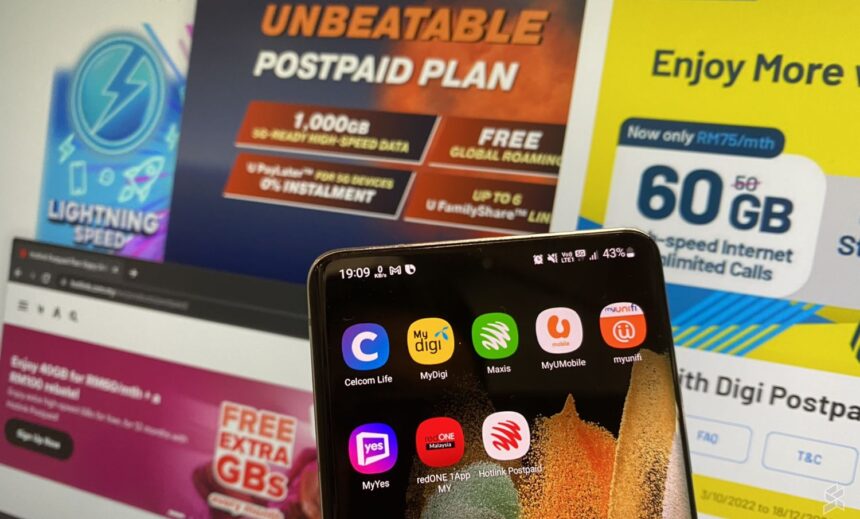
A postpaid device plan bundles a mobile service subscription with a smartphone installment agreement under a single contractual arrangement. Instead of paying the full retail price of the device upfront, subscribers spread the handset cost across a fixed tenure, typically between 12 and 36 months. The monthly bill therefore includes two components: the postpaid mobile plan fee and the device repayment amount. In most cases, early termination may trigger remaining device balance payments or contractual penalties, making tenure commitment an important consideration before enrollment.
Malaysia’s mobile broadband penetration exceeded 131 subscriptions per 100 inhabitants in 2023, reflecting widespread adoption of mobile connectivity across consumers, businesses, and multi-device users. With smartphones serving as primary tools for communication, digital payments, streaming, and remote work, device upgrades remain a significant recurring expense. To make higher-tier models more accessible, many providers structure installment-based postpaid bundles that reduce upfront financial burden while locking customers into longer-term service agreements.
Before subscribing, users should compare total contract exposure against outright retail pricing, review data allocations and fair usage policies, and confirm upgrade flexibility at the end of the contract period.
How to Evaluate a Postpaid Device Plan
1. Calculate Total Contract Cost
Do not focus only on the advertised monthly fee. Multiply the service fee and device installment by the contract length to determine full financial exposure.
Example Cost Breakdown:
• RM98 × 24 months = RM2,352 (service fee)
• RM80 × 24 months = RM1,920 (device installment)
• Estimated total: RM4,272 over 24 months
2. Understand Contract Duration
Common contract terms are 12, 24, and 36 months. Longer contracts reduce monthly device cost but increase lock-in duration. Early termination typically requires payment of the remaining device balance and may include service penalties.
3. Review Eligibility & Credit Assessment
Postpaid subscriptions generally require identity verification and credit assessment. Providers may request deposits depending on risk profile.
4. Check Data Allocation & Fair Usage Policy
Unlimited plans are typically subject to Fair Usage Policies (FUP). Consumers should review throttling thresholds and congestion management disclosures before subscribing.
Comparison Table of Plan Structures (2026)
| Plan Structure | Typical Contract | Upfront Cost | Data Tier | Flexibility Level | Early Termination Exposure |
| Entry-Level 24-Month Plan | 24 months | Low–Moderate | 40–60GB | Moderate | Remaining device balance |
| Flexible 12-Month Plan | 12 months | Higher monthly device cost | 30–50GB | High | Higher short-term penalty |
| Premium 36-Month Flagship Plan | 36 months | Low upfront | Unlimited / 100GB+ | Low | Significant balance exposure |
| Unlimited Data Device Plan | 24–36 months | Varies | Unlimited (FUP) | Moderate | Device balance + service penalties |
| Family Multi-Line Plan | 24 months | Per-line device cost | Shared data pool | Moderate | Multiple-line exposure |
| Roaming-Inclusive Plan | 24–36 months | Varies | Domestic + roaming bundle | Moderate | Device balance + roaming terms |
| Business-Oriented Plan | 24–36 months | Corporate billing | High-tier data | Low–Moderate | Contractual corporate exposure |
1. Entry-Level 24-Month Plan
Designed for cost-conscious users who want predictable monthly payments with moderate contract length.
Pros:
• Structured payment model for device affordability.
• Predictable monthly billing.
Trade-Offs:
• Contract lock-in required.
• Early termination can increase financial burden.
2. Flexible 12-Month Plan
Shorter commitment suitable for users uncertain about long-term device or plan needs.
Pros:
• Structured payment model for device affordability.
• Predictable monthly billing.
Trade-Offs:
• Contract lock-in required.
• Early termination can increase financial burden.
3. Premium 36-Month Flagship Plan
Spreads high device cost over extended term, lowering monthly installment but increasing total exposure.
Pros:
• Structured payment model for device affordability.
• Predictable monthly billing.
Trade-Offs:
• Contract lock-in required.
• Early termination can increase financial burden.
4. Unlimited Data Device Plan
Targets heavy data users such as streamers and remote workers, subject to FUP disclosures.
Pros:
• Structured payment model for device affordability.
• Predictable monthly billing.
Trade-Offs:
• Contract lock-in required.
• Early termination can increase financial burden.
5. Family Multi-Line Plan
Bundles multiple lines under shared billing and data pools.
Pros:
• Structured payment model for device affordability.
• Predictable monthly billing.
Trade-Offs:
• Contract lock-in required.
• Early termination can increase financial burden.
6. Roaming-Inclusive Plan
Includes regional or international roaming allocations depending on provider terms.
Pros:
• Structured payment model for device affordability.
• Predictable monthly billing.
Trade-Offs:
• Contract lock-in required.
• Early termination can increase financial burden.
7. Business-Oriented Plan
Structured for professionals or SMEs requiring centralized billing and higher data allocations.
Pros:
• Structured payment model for device affordability.
• Predictable monthly billing.
Trade-Offs:
• Contract lock-in required.
• Early termination can increase financial burden.
Regulatory Considerations
Malaysia’s General Consumer Code requires disclosure of minimum subscription periods and early termination penalties. Consumers should request written breakdowns of all charges and confirm installment obligations before signing.
Frequently Asked Questions
Is it cheaper than buying a device outright?
Not necessarily. Compare the full contract cost against retail device pricing before deciding.
Can I terminate early?
Early termination usually requires payment of remaining device installments and may include additional service penalties.
Are unlimited plans truly unlimited?
Unlimited plans are generally subject to Fair Usage Policies. Speed reductions may apply after specific thresholds.
Final Recommendation
The best postpaid device plan structure depends largely on your tolerance for contract duration, your comfort with total financial exposure over time, and your realistic monthly data requirements. While installment bundles reduce upfront costs, they commit you to a fixed payment structure that typically runs between 24 and 36 months. Over that period, the combined cost of the mobile plan and device repayment can exceed the handset’s standalone retail price if not evaluated carefully.
Before committing, calculate the full contract value across the entire tenure rather than focusing on the advertised monthly figure. Compare this total against buying the device outright with a SIM-only plan. Verify Fair Usage thresholds to understand potential speed throttling, especially if you rely heavily on streaming or hotspot usage. Finally, review termination clauses, early exit penalties, device balance settlement terms, and upgrade policies to ensure the plan aligns with your financial flexibility and usage habits.